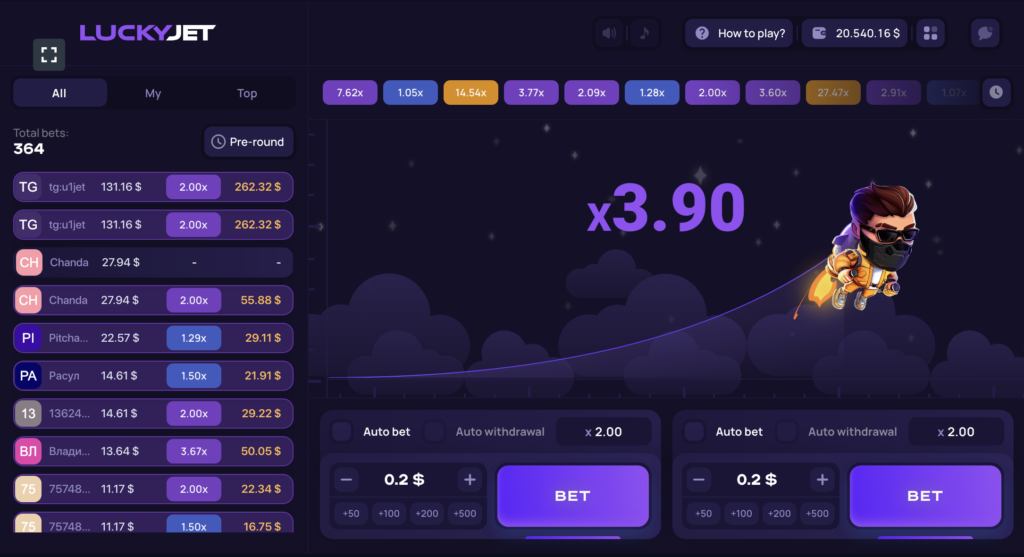
Digital games like games lucky jet game hook players with their pace and the possibility of a win. What often gets ignored is the player’s own mental state. For someone in the UK, spending a few minutes in reflection before a session can change the entire gameplay. This isn’t about luck or rituals. It’s a effective method, reinforced by science, to empty your mind and settle your nerves. Entering a game calm and centered lets you engage with more control, handle your money better, and actually savor yourself win or lose. Let’s look at how mixing mindfulness with gaming creates a improved, more structured way to play.
The Mental-Game Link: Why Mental State Matters
Taking part in a fast game like Lucky Jet Game is a workout for your brain. You need to read the screen, assess risks in real time, and make choices that influence your balance. If you’re stressed, distracted, or irritated from your day, that mental exercise gets much tougher. Stress hormones like cortisol force your focus into a narrow path, leading to bad decisions. Frustration can make you chase losses, tossing any reasonable budget out the window. A calm mind works differently. It engages the prefrontal cortex, where logical thinking and self-control are located. From this place, you think effectively, handle feelings, and can actually adhere to the plan you established. Your mental state is the foundation for your gameplay. Tuning it up is the initial move to a better session.
Establishing Pre-Game Meditation for Participants
For a Lucky Jet Game player, pre-game meditation is a brief, useful mental exercise. It’s the process of transitioning from daily clutter to a state prepared for gaming. Forget the idea of trying to empty your mind or reach enlightenment. View it as a system reset. You intentionally set aside the day’s worries, work stress, or personal niggles that could cloud your judgement. The goal is to arrive at the game fully present, with your awareness locked on the here and now. It’s also a chance to set a goal for the session. Maybe you’ll play ten rounds, test a specific tactic, or just unwind for twenty minutes. Doing this turns the game from a knee-jerk habit into a conscious choice for fun.
Establishing Your Optimal Pre-Play Environment
Your environment establishes the mood. To assist your mental prep, trim the distractions. Mute phone notifications. Adjust the room temperature so you’re comfortable. Consider dimming bright overhead lights for something gentler. If background noise is an concern, listen to quiet, instrumental music or use noise-cancelling headphones just for the meditation part. Position yourself in a chair that supports good posture; slouching can make you feel sluggish or impatient without you being aware. Fetch a glass of water. Ensure your device is charged or plugged in. These small acts remove tiny sources of anxiety that can break your concentration. Managing your environment tells to your brain this time is set apart, deliberate, and for you.
Walkthrough: A Simple 5-Minute Pre-Game Routine
You don’t need a complex ritual. Five focused minutes can truly help. Find a quiet spot away from your screen, sit with ease with your back straight, and start a timer. Try this sequence.
- Position and Awareness: Gently close your eyes. Take three slow, full breaths. Feel your weight in the chair.
- Full Body Awareness: Run your attention from your head down to your feet. Observe any areas of tension—your jaw, shoulders, hands—and let them soften.
- Attend to Your Breath: Tune into the effortless flow of your breathing. When your mind drifts to your shopping list or an earlier argument, kindly guide it back to your breath.
- Define a Purpose: In your head, state a simple, constructive aim for your session. For example „I’ll follow my limits and savor the ride“ works perfectly.
- Soft Transition: Uncover your eyes. Stay for another few seconds. Then proceed to your gaming setup.
Incorporating Mindfulness During Gameplay
The serenity from your meditation doesn’t have to vanish when the game starts. You can maintain a thread of mindfulness present while you play. It’s about keeping a light awareness of your own state. Every few rounds, check in with yourself. Is your breathing still easy? Are your shoulders around your ears? Am I following my plan, or am I acting on the last win or loss? This self-observation forms a tiny, essential gap between an impulse and an action. It’s the foundation of responsible play. It allows you to identify „tilt“—that agitated, emotional mode—as it begins to creep in. Then you can decide to step away for a minute. Mindfulness during the game converts a reactive session into an involved, conscious activity. You enjoy it more, and you remain in the driver’s seat.
Visualization: Viewing Victory and Managing Defeat
Competitors use visualisation to get ready. Gamers can do the same. Prior to launching Lucky Jet Game, spend a moment to picture two scenarios. First, visualise engaging with steady precision. See yourself setting your stake, monitoring the jet ascend, and withdrawing precisely when you planned. Sense the satisfaction of sticking to your approach, irrespective of what the multiplier performs afterward. Second, imagine a loss. Watch the jet fly away ahead of your withdrawal. Recognize the flash of frustration. Next see yourself inhale, embrace the outcome as an element of the activity, and composedly determine your subsequent action based on your limits, rather than emotion. This mental practice builds neural pathways. It renders the disciplined, composed response more habitual when the live session occurs.
Main Benefits: Enhanced Attention and Emotion Management
Incorporating meditation prior to playing Lucky Jet Game provides distinct, real benefits. The most obvious one is better focus. A brief time of quiet pierces the mental noise. You can concentrate properly on the jet’s rise, the multiplier, and your cash-out timing. This undivided attention can shave milliseconds off your response time and enhance your accuracy of decisions. The second benefit, essential for playing responsibly, is greater hold on your emotions. Meditation teaches you to notice feelings without letting them control you. In application, this means you can experience a defeat, feel the disappointment, but halt that feeling from causing you to make an impulsive, reckless bet to recoup losses. It functions the reverse way too. During a hot streak, it aids keep you grounded, resisting the hubris that lures you into rash, unprepared wagers.
Breathing Techniques for Instant Calm
Your breathing is a direct pathway to your nervous response. Easy exercises can dial down anxiety in seconds, right before or even while playing. One strong approach is called box breathing, or 4-7-8 method. Breathe in through your nostrils for a count of four. Retain that breath for a seven-count. Then release slowly through your lips for a eight-count. Repeat this three or four times. It reliably slows your heart rate and induces calm. Another technique is diaphragmatic breathing. Pay attention to enabling your belly expand on the inhale, not just your chest. These aren’t just for your pre-game routine. If you sense tension rising during a session—after a near miss or a defeat—stop for thirty seconds of deliberate breathing. It’s a quick mental reset that allows you refocus on your approach, not your irritation.
Typical Challenges and How to Overcome Them
Starting any new habit comes with hurdles. You might think you lack five minutes available. Attempt reframing it: treat that time as an element of your gaming session, a vital warm-up for your brain, similar to an athlete warms up. Imagine your mind won’t stop racing? The trick isn’t to fight the thoughts. Acknowledge them, then gently bring back your focus to your breath. That act of returning is the whole practice. Some people feel nothing improves at first. Stick with it. The neurological benefits accumulate with repetition. If remembering to do it is the problem, link the meditation to a particular trigger. Turn it into the thing you do right after you sit down at your desk, ahead of launch the game app. This habit stacking ensures it lasts.
Extended Upsides Outside the Game
The direct goal is a improved Lucky Jet Game session, but the benefits of frequent meditation reach much further. People who train often find they focus better on routine tasks, manage work stress with greater ease, and recover from private setbacks faster. The skills you’re training—awareness of the here-and-now moment, mastery over impulses, picking your response—are useful in all areas. For a player in the UK, this means your few minutes of pre-game mindfulness yield results in total wellbeing. It also encourages a more balanced relationship with gaming in general. The game becomes a preferred pastime, not a potential source of agitation. This measured approach preserves gaming a fun part of your life, without permitting it spill over negatively into everything else.
Frequently Asked Questions
How much meditation is needed before Lucky Jet Game?
Five to ten minutes works well. The duration matters less than the quality of your attention. Regular practice is the key. Regular pre-game meditation conditions your mind for a calm, strategic approach. This connection enhances the benefit with every session.
Does meditation actually boost my odds of winning?
Meditation cannot modify the game’s random number generator or its underlying algorithms. What it changes is you. It results in sharper decision-making, enhanced focus, and more stable emotions. You are more inclined to stick to a betting plan, manage your bankroll effectively, and steer clear of rash errors. This can positively influence your session management and long-term enjoyment.
I struggle to calm my mind. Can I still meditate?
Yes, particularly if you struggle with it. The goal isn’t a blank, silent mind. That’s a myth. The essence of the practice is awareness. When you notice your mind has drifted to dinner plans, you softly bring it back to your breathing. This process of catching the distraction and returning to concentration is the very skill that benefits you during gaming.
Should I meditate again if I feel frustrated during a session?
Certainly. When you feel frustration increasing, that is the right time to take a break. Stop the game for sixty seconds. Close your eyes and breathe deeply and purposefully a few times. This brief reset allows you to step back from the emotional surge. It gives you a chance to approach your next move with a clearer head.
Incorporating meditation into your pre-game routine for Lucky Jet Game is a wise choice for any UK player. It puts mental preparation first, changing the experience from something that can feel stressful and reactive to something engaged and under your control. The routine fosters the focus and self-control necessary for responsible bankroll management and long-term fun. It is a tool that aids you in staying present, thinking tactically, and maintaining control over your decisions. That’s how you make sure gaming stays a positive, conscious part of your downtime.